Media art history

Media art history is an interdisciplinary field of research that explores the current developments as well as the history and genealogy of new media art, digital art, and electronic art.

New media art:
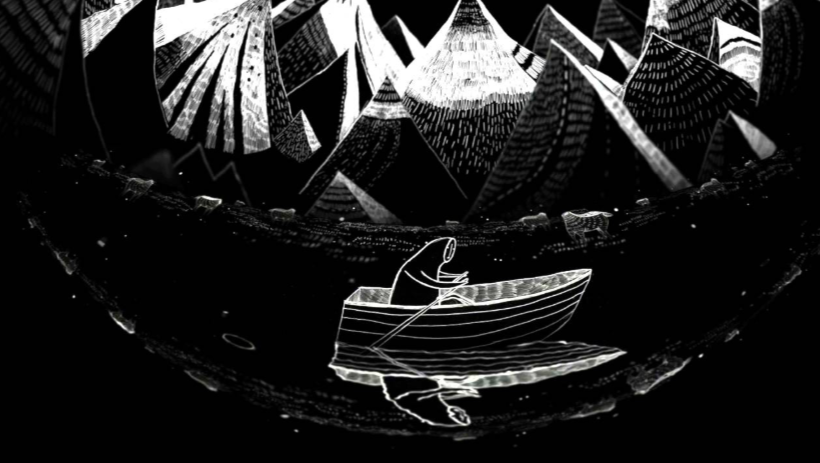
New media art refers to artworks created with new media technologies, including digital art, computer graphics, computer animation, virtual art, Internet art, interactive art, video games, computer robotics, 3D printing, cyborg art and art as biotechnology.

Digital art:

Digital art is an artistic work or practice that uses digital technology as part of the creative or presentation process. Since the 1970s, various names have been used to describe the process, including computer art and multimedia art. Digital art is itself placed under the larger umbrella term new media art.

Electronic art:
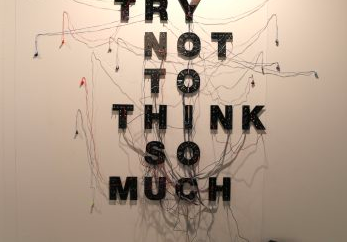


Electronic art is a form of art that makes use of electronic media. More broadly, it refers to technology and/or electronic media. It is related to information art, new media art, video art, digital art, interactive art, internet art, and electronic music. It is considered an outgrowth of conceptual art and systems art.

This strand of research encompasses questions of the history of media and perception, of so-called archetypes, as well as those of iconography and the history of ideas.

Iconography:
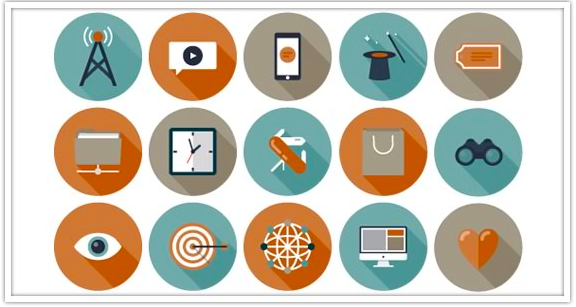
Iconography, as a branch of art history, studies the identification, description, and the interpretation of the content of images: the subjects depicted, the particular compositions and details used to do so, and other elements that are distinct from artistic style.

History of idea:

The history of ideas is a field of research in history that deals with the expression, preservation, and change of human ideas over time. The history of ideas is a sister-discipline too, or a particular approach within, intellectual history. Work in the history of ideas may involve interdisciplinary research in the history of philosophy, the history of science, or the history of literature.

Iconography, as a branch of art history, studies the identification, description, and the interpretation of the content of images: the subjects depicted, the particular compositions and details used to do so, and other elements that are distinct from artistic style

The 4 Principles Of Media Arts

  • DURATION
  • HYBRIDIZATION
  • INTERACTIVTY
  • POINT OF VIEW

1) Duration
Refers to time and how its perception can be manipulated and presented in media art works.It can also be used to describe the temporal nature of those art works that exist for only a limited time. Think of something like a time-lapse video or something that something in slow motion.

2) Hybridization
Is the technique used in creating art works in which genres, styles, concepts, materials, media, and forms are combined to create new “hybrid” forms. An example could be combining an animation with live video. An example could be the film Lego Movie.

3) Interactivity
Interactive media art works involve viewer participation in the art work itself. Common interactive media art works include interactive installations, performance art, and web-based art. An example could be interactive art on the NFB (National Film Board) site.

4) Point of View
Point of view can be either conceptual or physical.Conceptual points of view include internal, external, subjective, objective, cultural, political, and social viewpoints. For example, a documentary film may have a certain bias that is obvious and that would be a conceptual point of view. Physical points of view include bird’s eye, worm’s eye, eye level,360 degree, internal, micro, macro, and telescopic viewpoints. An example would be when filming, the cinematographer may use a different lens or move the camera to a different position to create a certain effect.

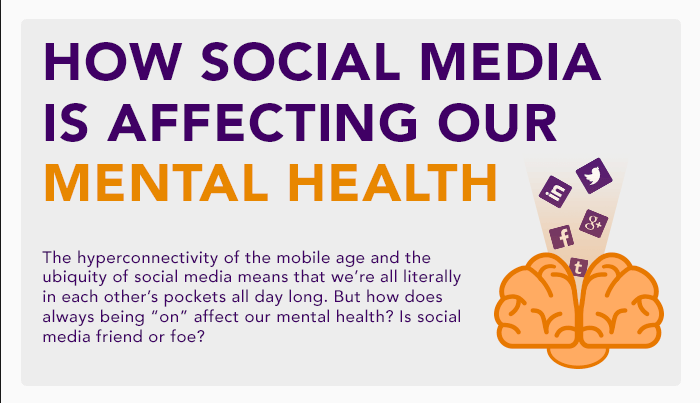
Social Media affecting mental health

The negative influence of social media on teenagers.For example, there are a lot of unhealthy video on the Internet which will cause many negative effects on teenagers who watch it, such as sleep problems and depression.

The positive influence of social media on teenagers.For example, social media makes social contact easy and direct. Teens with social skills, social anxiety, or struggles with other teens who are less likely to interact face to face may benefit from connecting with other teens through social media.

Childhood memory

When I was six years old, I said to my grandparents that I want to be an astronaut, my grandparents can be happy, bought me my favorite favorite sweet lang jelly, eat sweet lang jelly, I jumped around on my bed, like an astronaut, this is an unforgettable childhood memories for me.

Feature pictures and analysis

The man in the picture is Dong Cunrui. He takes C4 and blows up the bunker. He is a great hero.


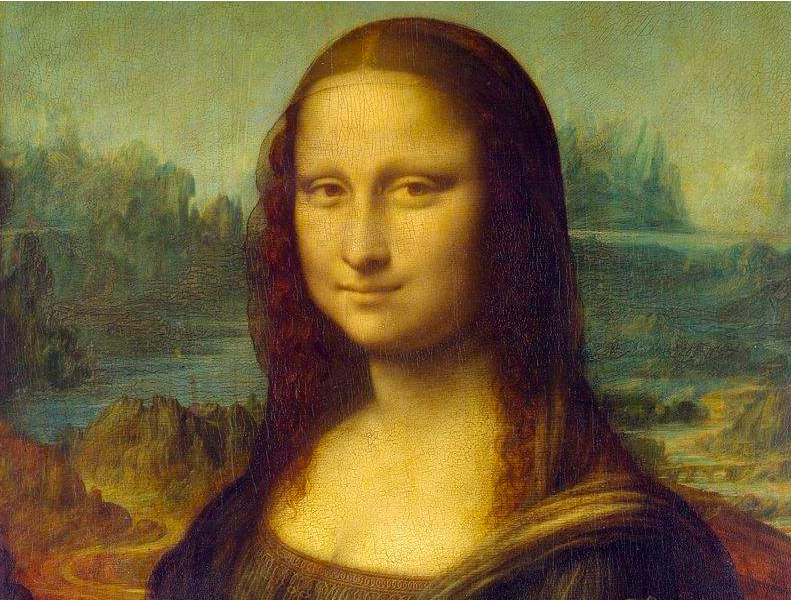
The woman in the picture is called Mona Lisa, she is so dignified and elegant. She has a wise forehead and a pair of deep eyes, confident manner exudes unpredictable with a mysterious smile, showing an inviolable dignity.

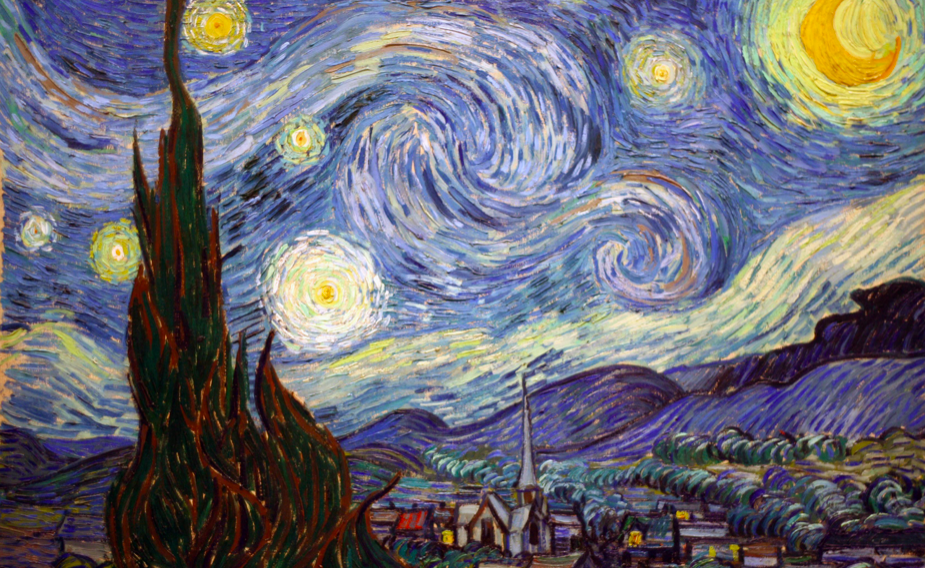
In this painting, van Gogh vividly depicts the stars full of movement and changes with exaggerated techniques. The whole picture is swallowed up by a surging, turbulent blue-green current. The rotating, restless and curled nebulae make the night sky become extremely active. The detached scene reflects van Gogh’s restless emotions and crazy hallucinations.

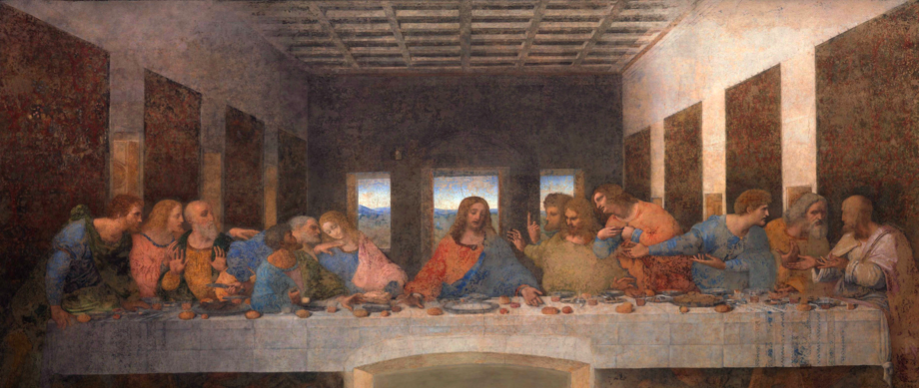
Created by Italian artist Leonardo Da Vinci, this picture is about Jesus’ last supper with the twelve disciples in the bible. The fear, anger, suspicion, dissection and other expressions of the characters in the picture, as well as gestures, eyes and behaviors, are depicted in detail and vividly, which is the most famous one of all works created on this subject.

The national flag of the People’s Republic of China is a five-starred red flag with a red face and a length to width ratio of 3:2. The upper left is decorated with five yellow pentagonal stars, four small star rings arch in the right side of a big star, and each has a corner point facing the center of the big star.

Poverty

political elements.Poverty seems to be chronic or temporary, and most of the time it is closely related to inequality. As a dynamic concept, poverty is changing and adapting according to consumption patterns, social dynamics and technological change.Absolute poverty or destitution refers to the deprivation of basic human needs, which commonly includes food, water, sanitation, clothing, shelter, health care and education.

Social Media affecting mental health

The negative influence of social media on teenagers.For example, there are a lot of unhealthy video on the Internet which will cause many negative effects on teenagers who watch it, such as sleep problems and depression.

The positive influence of social media on teenagers.For example, social media makes social contact easy and direct. Teens with social skills, social anxiety, or struggles with other teens who are less likely to interact face to face may benefit from connecting with other teens through social media.

About me

I’m a student,I studying in Milton Prep High School.I have been in Canada for two months.In the first semester, I learned such courses as language, math and science, which are of great help to me, and I made many new friends here, which makes me feel very happy, I hope I can work hard to live here.